자유게시판
In the fast-paced world of digital marketing and communication, the need for effective outreach strategies has never been more critical. Automated outreach has emerged as a powerful tool that allows businesses and organizations to connect with their target audience efficiently and effectively. This article delves into the concept of automated outreach, its benefits, challenges, and future trends that are shaping the landscape of communication in the digital age.
Understanding Automated Outreach
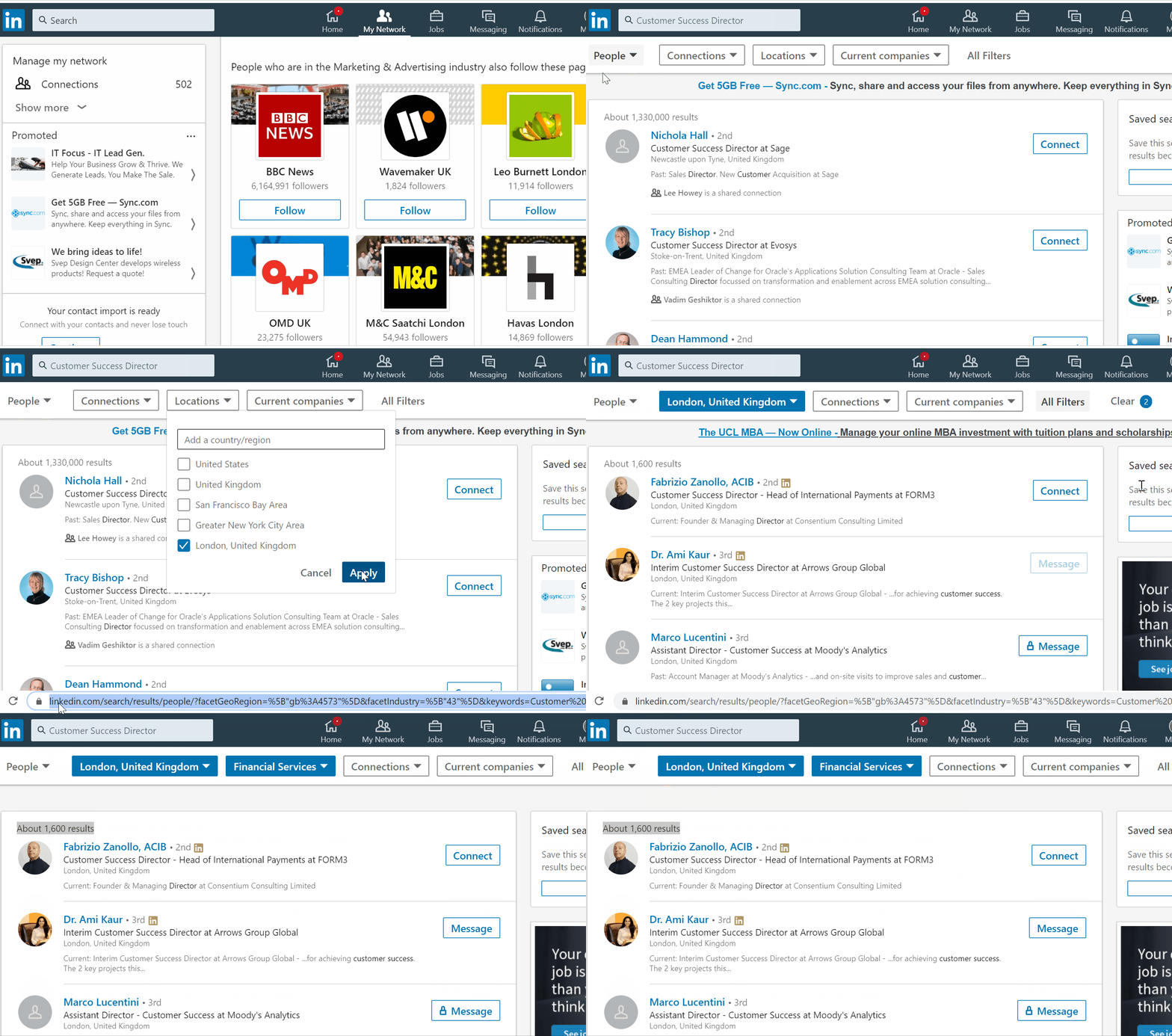
Automated outreach refers to the use of software and algorithms to streamline communication processes, allowing businesses to reach out to potential clients, partners, or audiences without manual intervention. This process can include email campaigns, social media interactions, and even personalized messaging through various platforms. By leveraging LinkedIn Automation, companies can save time, reduce human error, and enhance their overall outreach efforts.
The Benefits of Automated Outreach
- Efficiency and Time-Saving: One of the most significant advantages of automated outreach is the efficiency it brings to communication efforts. With automated systems, businesses can schedule and send messages to large groups of people simultaneously, eliminating the need for repetitive manual tasks. This allows teams to focus on strategic planning and creative initiatives rather than getting bogged down in routine outreach efforts.
- Personalization at Scale: Contrary to the belief that automation leads to generic communication, modern automated outreach tools enable a high degree of personalization. By utilizing data analytics, businesses can segment their audience based on various criteria such as demographics, interests, and past interactions. This allows for tailored messaging that resonates with recipients, leading to higher engagement rates.
- Improved Tracking and Analytics: Automated outreach tools often come equipped with robust analytics features that provide insights into campaign performance. Businesses can track open rates, click-through rates, and conversion metrics, allowing them to assess the effectiveness of their outreach strategies. This data-driven approach enables continuous improvement and optimization of future campaigns.
- Cost-Effectiveness: Implementing automated outreach strategies can significantly reduce costs associated with traditional outreach methods. By minimizing the need for extensive manpower and resources, organizations can allocate their budgets more efficiently, investing in other areas of growth and development.
- Consistency and Reliability: Automated outreach ensures that communication is consistent and reliable. With pre-scheduled messages, businesses can maintain a steady flow of communication with their audience, ensuring that important updates, promotions, or information are delivered on time.
Challenges of Automated Outreach
While the benefits of automated outreach are substantial, it is essential to acknowledge the challenges that come with it:
- Over-Automation Risks: One of the primary concerns with automated outreach is the potential for over-LinkedIn Automation. Relying too heavily on automated systems can lead to a lack of genuine human interaction, which may alienate recipients. Striking the right balance between automation and personal touch is crucial for maintaining strong relationships with the audience.
- Quality Control: Automated messages must be carefully crafted to ensure they convey the intended message and tone. Poorly written or irrelevant content can harm a brand’s reputation and lead to disengagement. Regular monitoring and quality checks are necessary to uphold communication standards.
- Deliverability Issues: Automated outreach campaigns may face deliverability challenges, such as being marked as spam. This can be mitigated by following best practices, such as maintaining a clean email list, using double opt-in methods, and ensuring compliance with regulations like GDPR.
- Data Privacy Concerns: As automated outreach relies heavily on data collection and analysis, businesses must navigate the complexities of data privacy laws. Ensuring that customer data is handled responsibly and ethically is paramount to maintaining trust and compliance.
Future Trends in Automated Outreach
As technology continues to evolve, several trends are shaping the future of automated outreach:
- Artificial Intelligence and Machine Learning: The integration of AI and machine learning into automated outreach tools is revolutionizing the way businesses communicate. These technologies enable more sophisticated audience segmentation, predictive analytics, and even automated responses that mimic human conversation.
- Omnichannel Outreach: The future of automated outreach lies in an omnichannel approach, where businesses engage with their audience across multiple platforms seamlessly. This ensures a cohesive brand experience, whether through email, social media, or messaging apps.
- Voice and Chatbot Integration: With the rise of voice assistants and chatbots, automated outreach is expanding beyond traditional channels. Businesses are increasingly using these technologies to engage with customers in real-time, providing instant responses and support.
- Enhanced Personalization: As data analytics become more advanced, the level of personalization in automated outreach will continue to improve. Businesses will be able to create highly tailored messages that consider individual preferences, behaviors, and interactions, leading to more meaningful engagement.
- Focus on Customer Experience: The future of automated outreach will prioritize customer experience, ensuring that communication is not only effective but also enjoyable. Businesses will need to adopt a customer-centric approach, using automation to enhance, rather than replace, human interaction.
Conclusion
Automated outreach is transforming the way businesses communicate in the digital age. By leveraging technology to streamline communication processes, organizations can achieve greater efficiency, personalization, and effectiveness in their outreach efforts. However, it is essential to navigate the challenges that come with automation, ensuring that the human touch remains a vital component of communication strategies. As technology continues to advance, the future of automated outreach holds immense potential for enhancing connections between businesses and their audiences. Embracing these changes will be crucial for organizations looking to thrive in an increasingly competitive landscape.